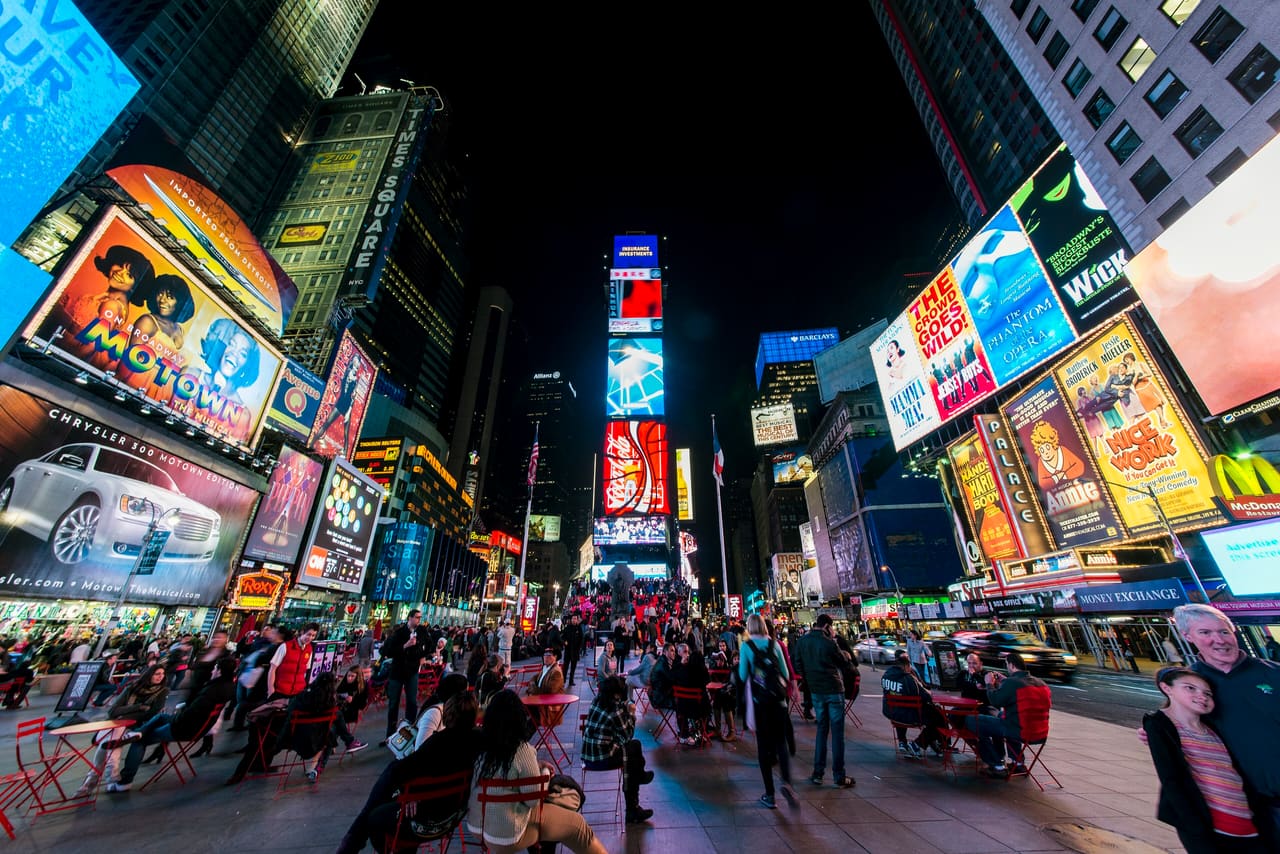
Culture is the part of American power that most people meet first, often without noticing. A teenager in Lagos who streams a Hollywood series, a student in Mumbai applying to a US university, a family in Seoul watching the NBA: each is touching what the political scientist Joseph Nye called soft power, the ability to attract rather than force. This chapter looks at where that attraction comes from, from films and music to sport, national parks, books and campuses. It also asks harder questions. Who benefits when one country's stories travel so widely? And what happens as rivals, from K-pop to Chinese animation, win audiences of their own?
Hollywood and the streaming age
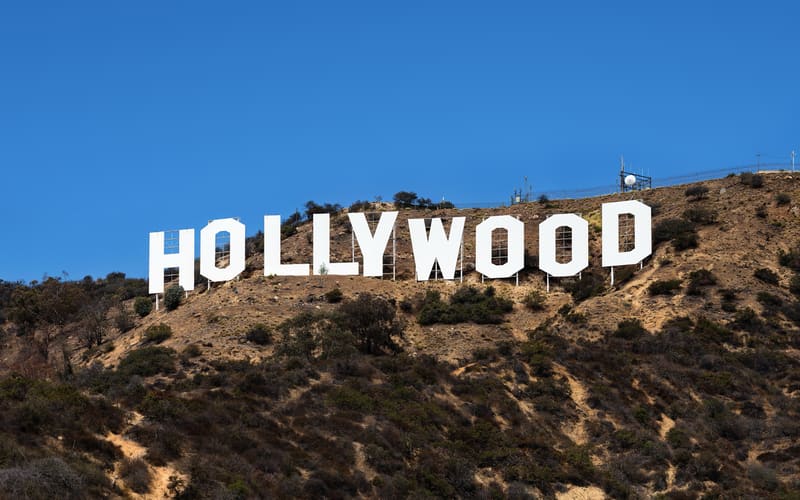
For about a century, Hollywood has been shorthand for the movie business. American studios perfected the blockbuster, the franchise and the worldwide release, and their films still fill most global top-ten lists. Of the ten highest-grossing films released in 2025, eight came from US studios, led by Zootopia 2, Avatar: Fire and Ash and Lilo & Stitch.2
The number-one spot tells a different story. The year's biggest film was Ne Zha 2, a Chinese animated sequel that earned about $2 billion, and Japan's Demon Slayer also made the top ten.2 Across the world, cinemas took in an estimated $33.55 billion in 2025, still around 16% below the average of the three years before the pandemic.1
Streaming has moved much of the contest from cinemas to phones and living rooms. Netflix said it passed 325 million paid memberships during the last quarter of 2025, on revenue of $45.2 billion for the year.3 Disney, Amazon, Apple and Warner Bros. Discovery run rival services of their own.
Those platforms do not only carry American stories. Netflix's most popular film ever is KPop Demon Hunters (2025), an animated musical about a Korean girl group who secretly fight demons. It was made by Sony Pictures Animation, a studio based in California, and sold to Netflix.4 The hit shows how blended "American" culture has become: a US studio, a Korean-inspired story and a global streaming audience.
Why does any of this matter beyond entertainment? The political scientist Joseph Nye, who coined the term "soft power" and died in 2025 at the age of 88, argued that a country whose culture and ideas attract others can win cooperation without threats or payments.25 Films and series are one of the main ways that attraction is built, or lost.
Other countries have learned the same lesson. Japan's anime and South Korea's music, films and dramas now have fans on every continent. In Brand Finance's 2026 Global Soft Power Index, Japan rose to third place and South Korea climbed to 11th, driven largely by its globally successful content industries.21 China ranked second, with 73.5 points to the US's 74.9.21
If you can get others to want what you want, you can economize on sticks and carrots.
From the Delta to the Bronx
Many of the world's most popular kinds of music began in the United States, very often in African American communities. The blues grew out of the rural South. Jazz took shape in New Orleans and reached records in 1917, when the Original Dixieland Jass Band recorded "Livery Stable Blues" in New York, the first jazz record ever released.5
Country music grew from the ballads, fiddles and church songs of Appalachia and the South. Rock and roll mixed rhythm and blues with country in the years after World War II, and then went global through radio, records and film.
Hip-hop even has a birthday. On August 11, 1973, a young DJ called Kool Herc played a back-to-school party in the recreation room of 1520 Sedgwick Avenue in the Bronx, New York. He used two turntables to stretch the drum breaks of funk records so dancers could keep moving.6 Historians point out that the style grew in several places at once, but that party is its best-known starting point.6
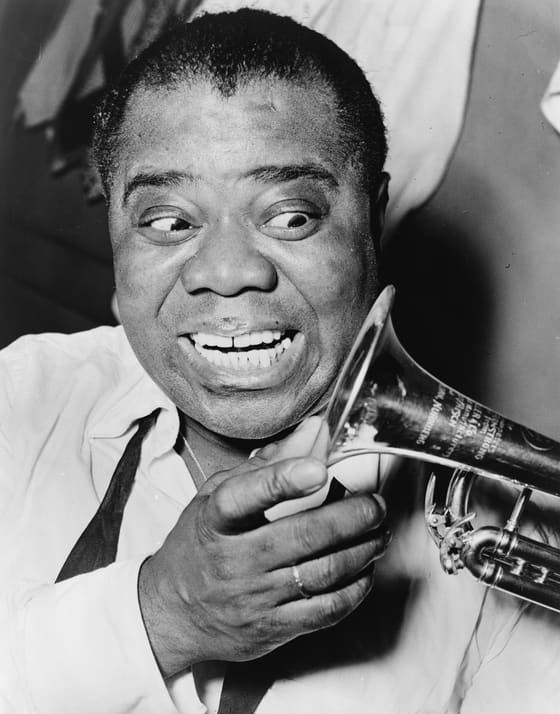
Music was also a tool of Cold War diplomacy. The State Department sent jazz musicians abroad as goodwill ambassadors, and Louis Armstrong's three-month tour of Africa in 1960–61 took him to 27 cities.8
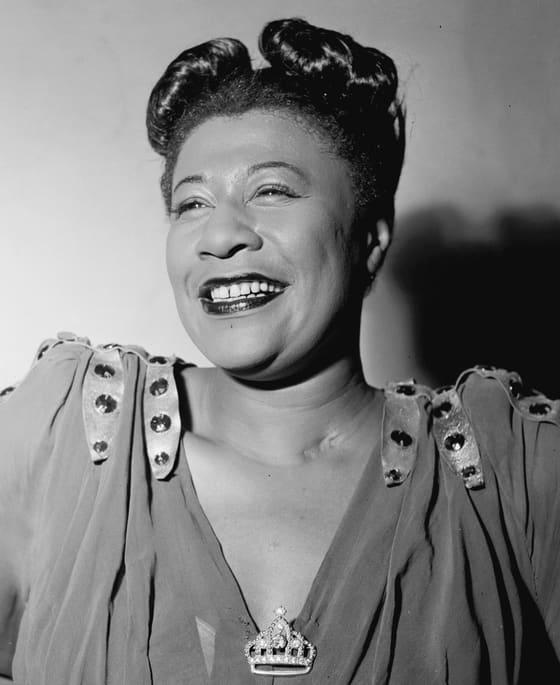
Jazz singers became stars at home and abroad. Ella Fitzgerald, the "First Lady of Song," won at the very first Grammy Awards in 1959, becoming the first African American woman to win a Grammy and the first woman to win more than one.9
American artists remain at the top of global sales. IFPI, which represents the recording industry worldwide, named Taylor Swift its Global Artist of the Year for 2025, her sixth win and her fourth in a row.7 Streaming has also helped singers performing in Korean, Spanish and many other languages build worldwide fan bases, so the American lead is real but no longer automatic.
A global scoreboard
Measured by Olympic medals, the United States is the most successful sporting nation in history. Through the Milano Cortina Winter Games of 2026, American athletes had won 3,137 Olympic medals, 1,232 of them gold. The next-highest total, 1,204, belongs to the Soviet Union, a country that no longer exists.10
American leagues have also become global employers. When the NBA's 2025–26 season opened, its rosters included a record 135 international players from 43 countries. Canada supplied the most (23), and France a record 19.11 Europeans made up a record 71 of them, and every one of the league's 30 teams had at least one international player.11 For young players in Lagos, Paris or Melbourne, the NBA has become a realistic career goal rather than a distant dream.
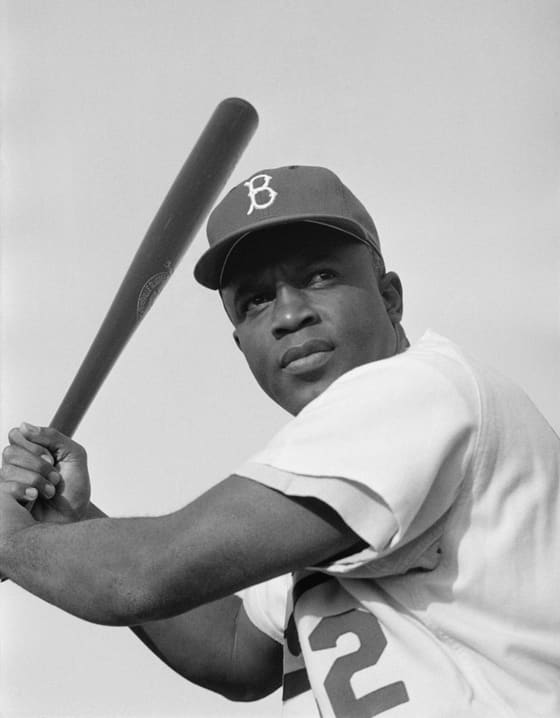
Sport has also been a stage for America's struggle over race. On April 15, 1947, Jackie Robinson played for the Brooklyn Dodgers and broke Major League Baseball's color line. Fifty years later, to the day, baseball retired his number 42 for every team, the first number ever retired across a whole league. More than 50,000 fans watched the ceremony at Shea Stadium in New York.12

Olympic medals, all-time
Combined Summer and Winter Olympic medals since 1896. Countries that split or merged, such as the Soviet Union and Germany, are counted as the teams that actually competed.10
All-time Olympic medals, Summer and Winter Games combined
Total medals won, through the Milano Cortina 2026 Winter Games
The US total is more than 2.5 times that of the Soviet Union, the next team on the list.10 Most American medals come from the Summer Games, where the US has won 2,774; at the Winter Games it has won 363.10
The table also shows how politics shapes sport. East Germany, which sent its own team from 1968 to 1988, won 519 medals that are not included in Germany's total, and Russia, competing under its own name since the 1990s, has 539.10 Split or merged countries make simple comparisons harder than they look.
The first national park
On March 1, 1872, President Ulysses S. Grant signed the law that created Yellowstone National Park, setting the land aside "for the benefit and enjoyment of the people." Yellowstone is widely considered the first national park in the world.13 The idea that a government should protect wild places for everyone, not sell them off, was later copied in many countries.
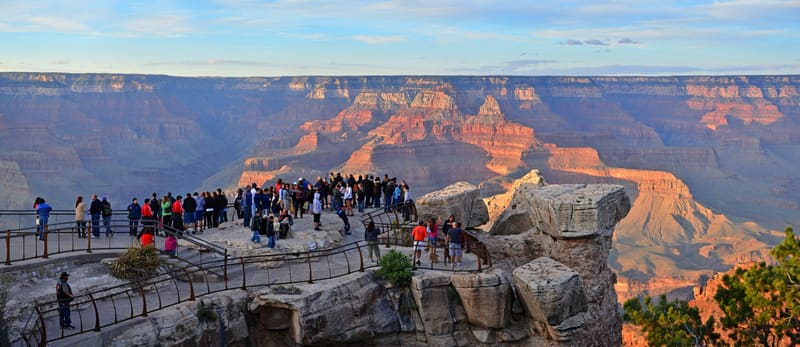
Today the US National Park System ranges from Yellowstone and the Grand Canyon to battlefields, seashores and city monuments. In 2025 the 406 park sites that report visitors recorded 323 million recreation visits, including 13 million overnight stays.14 That was 2.7% below the all-time record of 331.9 million set in 2024.15
Part of the dip came from a 43-day federal government shutdown in autumn 2025, which forced many sites to close fully or partly.14 Even so, 26 parks set new visitor records. Great Smoky Mountains, on the border of Tennessee and North Carolina, was the most-visited national park, with 11.5 million visits.14
The busiest sites are not always the famous wilderness parks. The Blue Ridge Parkway, a scenic road through the Appalachian Mountains, drew 16.5 million visits in 2025, and the Golden Gate National Recreation Area in San Francisco 15.7 million.14 The 2024 record had beaten the previous high, set in 2016, by nearly 900,000 visits.15
Books, games and screens
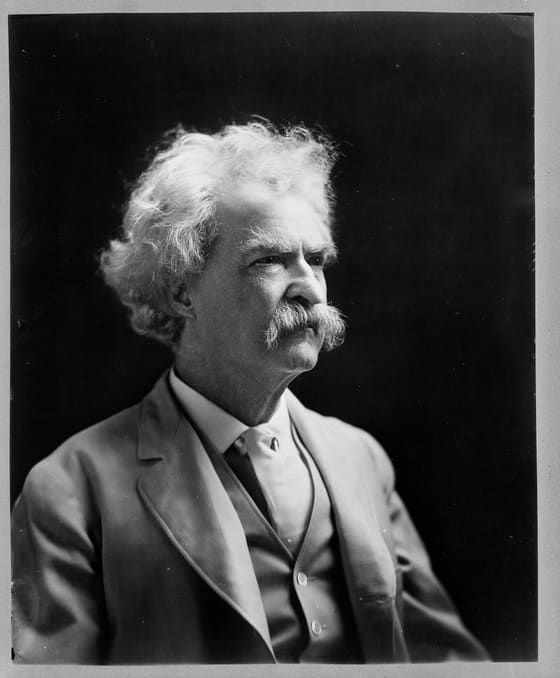
American writers have shaped how the world imagines the country. Mark Twain's Adventures of Huckleberry Finn (1884) turned the everyday speech of the Mississippi River into literature. Its frank treatment of race and slavery still makes it one of the most discussed books in American classrooms. Decades later, Ernest Hemingway claimed that all modern American literature came from that single book.17
The Nobel Prize in Literature has gone to American writers from Sinclair Lewis in 1930, the first, through Ernest Hemingway (1954) and Toni Morrison (1993) to the poet Louise Glück (2020). Morrison was honored for novels that give "life to an essential aspect of American reality."16 In 2016 it went to Bob Dylan "for having created new poetic expressions within the great American song tradition," a sign of how thin the line between literature and popular music has become.16
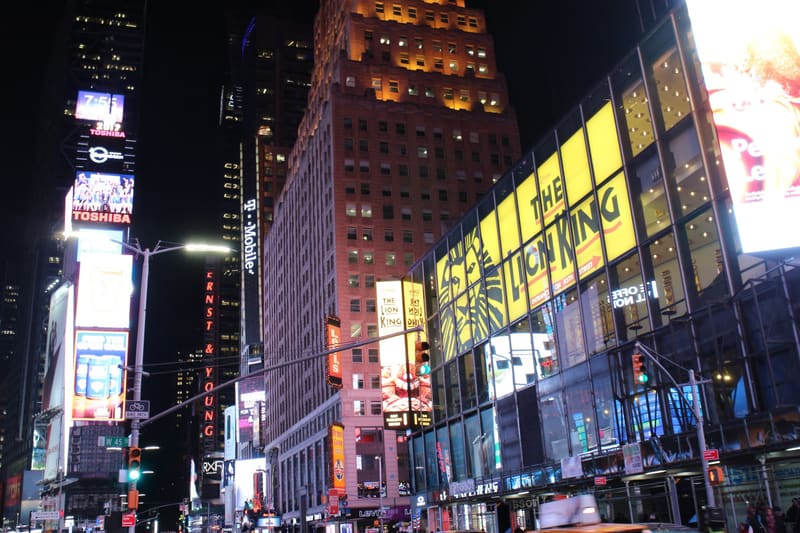
On stage, Broadway, New York's theater district around Times Square, creates musicals that are later restaged around the world in many languages. At home, video games now rival film as a form of entertainment: the Entertainment Software Association counts 212.3 million Americans who play video games.18 American studios and platforms make many of the world's best-known games, although Japan, China, South Korea and Europe are major producers too.
Much of the world's online life also runs through American companies. Meta, the California company behind Facebook, Instagram, WhatsApp and Messenger, reported 3.60 billion daily active people across its apps in June 2026.19 Because so much of this content is in English, it also spreads the language, and with it American slang, jokes and music. But the field is no longer American-only: TikTok, one of the most popular apps among young people, is owned by China's ByteDance.
Food travels too. Burgers, fried chicken, doughnuts and coffee-shop culture are sold by American chains in many countries. At the same time, American food is itself a mix, shaped by immigrant cooking from Mexico, Italy, China and many other places.
All modern American literature comes from one book by Mark Twain called Huckleberry Finn.
The pull of American campuses
Universities are among the strongest cultural magnets the US has. In the 2024/25 academic year American colleges hosted 1,177,766 international students, about 16% of the world's 7.3 million globally mobile students. India (363,019) and China (265,919) sent the most.20
International students by host country
Thousands of students, latest year reported (mostly 2024/25)
Other English-speaking countries rely even more on foreign students. International students make up 36% of all higher-education students in Canada and 25% in the UK, compared with 6% in the US.20
Trends are shifting. In the latest year the number of international students rose 4.5% in the US, while it fell 6.3% in Canada and 3.5% in the UK, and rose by more than 20% in South Korea and Japan.20 In the US, 57% of international students study science, technology, engineering or maths.20 Countries count international students in different ways, so small gaps between them should be read with care.